
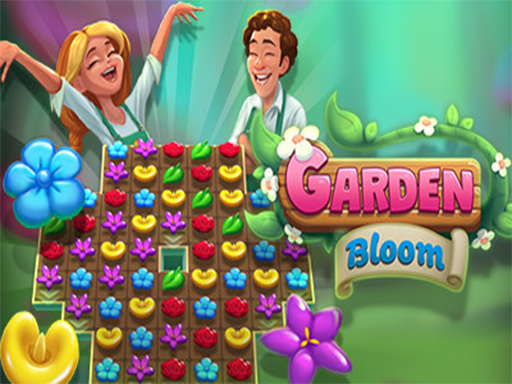
Matching Flowers on the Garden Board
Each level presents a board filled with different flower tiles. The goal is to match three or more identical blooms by swapping a tile with a neighboring one. Matches can form in rows or columns, and clearing them earns points. The board layout and available flower types change as you progress, so pattern recognition matters more than speed.
Power-Ups and Obstacles
As levels advance, new flower types and obstacles appear, making simple swaps less effective. Power-ups can clear tricky spots or unlock special bonuses, but they are limited. Using them early on easy sections often leaves you without help when the board becomes crowded. Saving them for dense clusters or blocked areas tends to be more efficient.
Progression and Unlockable Areas
Points earned from matches contribute to unlocking new garden areas. This progression gives each session a visible goal beyond a single high score. Because the game is hypercasual, levels are short and can be played in brief breaks. The difficulty curve is gradual, with new mechanics introduced as you unlock more of the garden.
Visual Style and Audience
The game uses bright, spring-themed visuals that are easy on the eyes. There are no inappropriate themes, making it suitable for children and adults. The combination of simple swap mechanics and steady progression appeals to players who want a low-pressure mental workout rather than a competitive challenge.
Comments
0 comments