
Flight Mechanics and Controls
In Fluffrise, the bird moves forward on its own. Your only input is a tap or click, which makes the bird jump. That single action is the entire control scheme. The challenge comes from when you tap, not how often. Obstacles appear at random intervals, and the bird falls if you mistime a jump. There are no power-ups, combos, or secondary buttons to manage. The game ends the moment the bird hits a trunk or branch, and your score is the distance traveled.
How Difficulty Scales
Obstacles arrive faster and in more complex arrangements as you fly farther. Early on, gaps are wide and the rhythm is forgiving. Later, sequences demand quicker reactions and better anticipation. Because patterns are random, you cannot memorize a fixed course. Instead, you learn to read the spacing between branches and judge when a jump will clear the next obstacle. This gradual increase in speed and density is the main source of challenge.
Atmosphere and Presentation
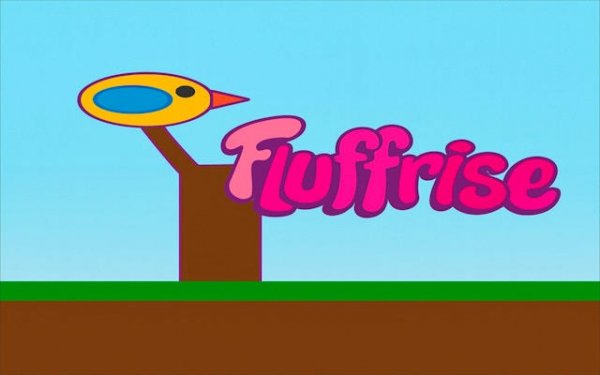
The forest canopy shifts as you progress, with trees and branches appearing in new configurations. Colorful visuals and gentle sound effects support a calm mood. There are no lengthy tutorials or loading screens, so sessions start quickly. The audio and visual design aim to keep attention on timing rather than distract from it. This makes Fluffrise suitable for short breaks or longer play periods without pressure.
Approach to Improvement
Success depends on steady timing rather than rapid tapping. Watching an obstacle as it approaches and tapping once at the right moment works better than repeated taps. Over-tapping often causes the bird to jump into a branch. Practicing regularly helps you recognize obstacle sequences faster and react with more consistency. Each attempt is a chance to beat your personal best distance, and the instant restart keeps the focus on learning from the previous run.
Comments
0 comments