
Core Platforming Mechanics
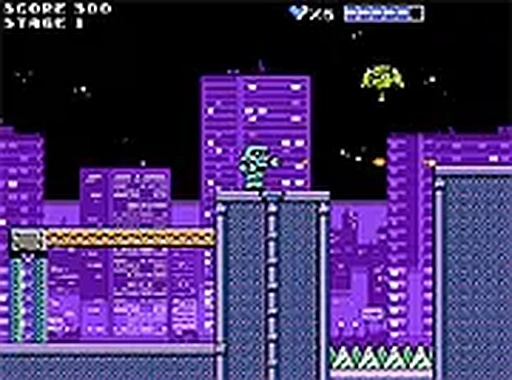
Robo Quest: Retro Platformer casts you as a small robot built by a scientist. Your task is straightforward: move from the start of each stage to the exit while avoiding hazards. The keyboard controls are minimal—left and right movement, a jump key, and a separate action key that fires a projectile tool. That projectile isn't just for combat; it can interact with objects or distract enemies, giving you a second way to solve problems beyond jumping.
Level Hazards and Enemy Patterns
Stages mix moving platforms with enemy robots that follow set patrol routes. Because both elements run on predictable cycles, success depends on reading timing rather than reacting to randomness. You can avoid enemies entirely or use your projectile to create openings. Power-ups scattered through levels temporarily boost abilities or restore energy, so collecting them before a tough section often makes the difference.
Boss Encounters and Difficulty Curve
Certain levels end with boss fights. These encounters shift the focus from navigation to pattern recognition: you watch attack cycles, find the safe window, and strike. The game gradually increases difficulty across its levels, so the skills you build early—precise jumps, patient observation—carry into later stages.
Presentation and Accessibility
Bright pixel art and a lively chiptune soundtrack give the game a classic 8-bit feel. It runs entirely in a desktop browser with no download or installation, and full-screen mode is available. The design avoids graphic violence, making it suitable for players of all ages. There is no cost to play.
Comments
0 comments