
What Players Actually Do
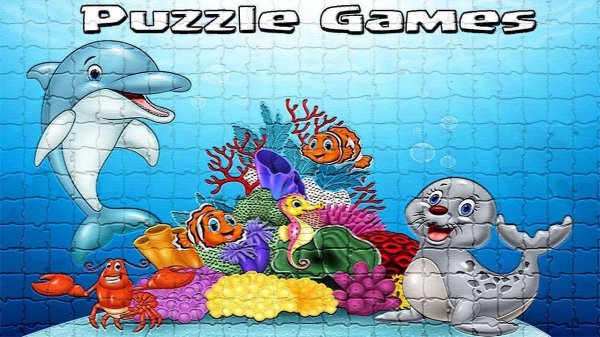
The core loop is straightforward: choose a picture, choose a piece count, and assemble the jigsaw by dragging pieces from a scattered layout into the correct positions. Six cartoon images are available, each playable at four difficulty levels. The 16-piece mode suits beginners, while 36, 64, and 100 pieces ramp up the challenge for older or more experienced children. A hint option exists for players who get stuck, and because there is no timer, the pace is entirely self-directed.
Difficulty That Grows With the Child
Four piece counts function as a built-in progression system. A toddler can start with 16 pieces and move to 36 once comfortable, then 64 and eventually 100. This structure lets the same game stay useful across several years of development without requiring separate purchases. The absence of a countdown timer matters here: younger players can think through each placement without pressure, which supports concentration rather than speed.
Controls and Accessibility
Drag-and-drop is the only input method, which keeps the interface simple for small hands. There are no complex menus or multi-step actions beyond selecting an image and a piece count. The game describes its interface as intuitive enough for the youngest players, and the hint feature provides a safety net when a piece is hard to place. This combination lowers the barrier for children who are still developing fine motor skills.
Safety and Family Use
Cartoon Jigsaw Puzzle Fun is designed to be family-friendly, with no violence, frightening themes, or inappropriate content. The game also states there are no ads. That matters for parents who want a quiet activity without interruptions or unexpected material. The educational angle is concentration, hand-eye coordination, and problem-solving, all practiced through the act of matching pieces to complete a picture.
Comments
0 comments