
The Tap-and-Release Descent
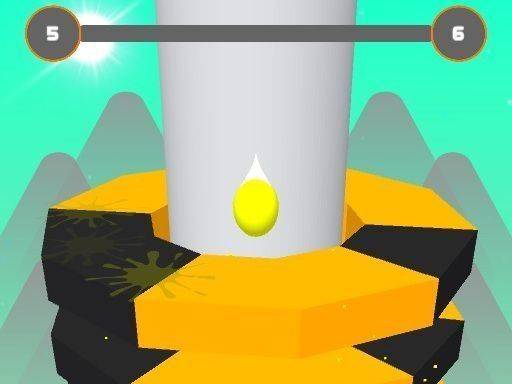
Spiral Descent Tile Drop builds its challenge around a single interaction: tap to drop the marble through a gap or breakable tile, release to stop it on a solid surface. That two-state control is easy to understand, but the rotating platforms turn every drop into a timing decision. Dark tiles end the run on contact, so each tap carries a clear risk. The goal is to reach the required depth for the current stage.
Rotation Speed and Tile Layout
Platforms rotate in different directions and at varying speeds as you progress. Slower rotations give you room to plan a path through safe tiles; faster spins demand quicker reactions and tighter timing. The arrangement of safe, breakable, and dark tiles changes with each level, so memorizing one pattern is not enough. You have to read the current layout and adjust your rhythm.
Visual Cues and Feedback
Bright, colorful graphics make the safe and hazardous tiles easy to distinguish at a glance. A subtle trail follows the marble as it falls, showing the path it has taken and helping you judge where the next drop will land. The rotating tower adds a sense of depth and motion, while the clean interface keeps attention on the marble and the tiles directly below it.
Depth Targets, Gems, and Restarts
Each level sets a target depth that unlocks the next stage once reached. Gems scattered along the descent award bonus points for players who collect them, adding an optional risk-reward layer to the route you choose. Mistakes are cheap because the quick restart feature lets you try again immediately. That structure supports short sessions and repeated attempts to improve scores and reach new milestones.
Comments
0 comments