
Sorting as the Core Mechanic
Every level presents a shelf holding a jumble of everyday objects — drinks, snacks, and household supplies. Your single action is moving an item from one position to another. The win condition is simple to state but requires planning: all items of the same type must end up in one contiguous group. There is no timer, so the challenge comes entirely from the arrangement itself.
How Difficulty Scales
Early layouts use fewer items and leave generous gaps between groups, making the goal obvious. Later levels add more item types and tighter arrangements, so a move that helps one group can block another. Because the game never pressures you with a clock, the difficulty curve is about spatial reasoning rather than speed. Each new shelf layout asks you to re-read the board before acting.
Reading the Shelf Before You Move
Scanning the full shelf first is the most reliable habit. Identify which item type appears most often and group those first; consolidating the largest cluster frees space for the remaining items. If a move turns out wrong, an undo option reverses it without penalty. Working one section of the shelf at a time reduces visual confusion when many similar-looking packages are adjacent.
Who This Suits
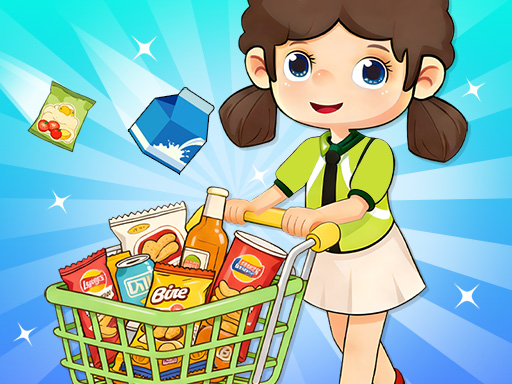
The combination of pattern recognition, memory, and step-by-step planning fits players who enjoy logic puzzles but dislike time pressure. Colorful, distinct item art makes categories easy to tell apart, which keeps the game accessible for younger players and families. It runs in a web browser with no download, so sessions can be as short or as long as you like.
Comments
0 comments