
Core Objective and Tile Upgrades
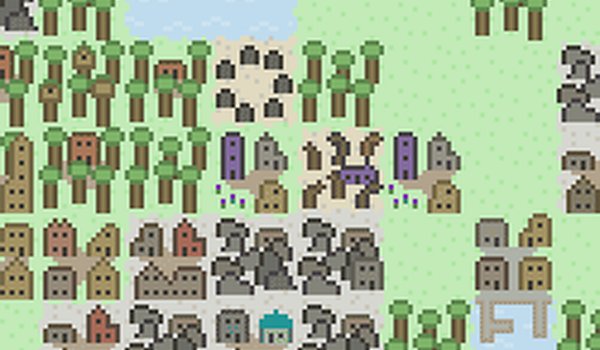
Defend the Light asks you to stop darkness from spreading across a grid of land. You click on areas to upgrade them, provided you have enough resources. The catch is that available upgrades are determined by adjacent tiles, so every decision ripples outward. Villages generate the resources you need to keep expanding, while towers hold the line against encroaching darkness. Because areas boost each other, experimenting with different tile combinations is central to finding effective layouts.Resource Planning and Adjacency Tactics
Resource management drives the moment-to-moment choices. Villages are your income engine, so building them early gives you a steadier flow of resources for later upgrades. Towers, meanwhile, are your defense against darkness. The adjacency rule means you cannot simply place whatever you want wherever you want; you must read the board and plan sequences that unlock the upgrades you need. This turns each click into a small puzzle of positioning and timing.Modes and Extended Content
The original Ludum Dare 42 version includes two winning modes. An updated release adds more upgrades and three new win conditions, extending the core loop for players who want additional challenges. The game is designed for short sessions, fitting the five-minute format, and uses mouse-only controls. Pixel art and a background soundtrack round out the presentation.Who This Suits
If you enjoy compact strategy puzzles where placement and resource sequencing matter more than reflexes, Defend the Light offers a focused, non-violent challenge. The family-friendly framing and quick session length make it approachable, while the adjacency system provides enough depth for players who like to optimize. It is best suited to those who prefer planning over action.Editorial Notes
Compatibility
▸ Desktop: Chrome / Edge / Firefox / Safari
▸ Mobile: iOS Safari / Android Chrome
▸ Tablet: iPadOS Safari / Android Tablet Browser
Keep your browser updated for the best experience
Comments
0 comments