
Core Mission Structure
Each level presents a unique objective that requires a mix of foresight and adaptability. Players must assess the environment, identify key positions, and decide the best route to achieve their goal. The 3D perspective allows for a clear view of the terrain, helping you spot potential advantages or obstacles. Success depends on balancing a well-thought-out plan with the ability to adjust when circumstances shift.
Controls and Interaction
Movement is handled through standard keyboard inputs, allowing you to navigate the environment with precision. The mouse lets you look around and interact with objects or opponents. Additional keys let you perform actions like crouching, peeking around corners, or reloading your equipment. The control scheme is designed to be easy to learn, so new players can jump in quickly, while still offering enough depth for those who want to master every nuance.
Progression and Customization
Completing missions grants rewards that can be used to purchase upgrades. These improvements let you tailor your loadout to match your preferred style of play. Some missions may require a stealthy approach, while others demand a more direct strategy. Experimenting with different combinations of tools and power-ups keeps the experience fresh and encourages creative problem-solving.
Visual Design and Immersion
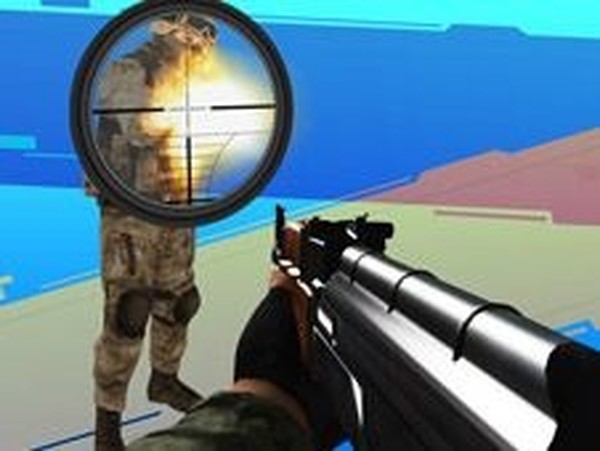
The 3D graphics provide a detailed view of each environment, from open areas to tight corridors. This visual clarity helps players plan their moves and react to changing situations. The art style focuses on readability, ensuring that important elements stand out without being distracting. The overall presentation supports the strategic nature of the game, making each mission feel like a genuine test of planning and reflexes.
Comments
0 comments