
Core Loop and Player Control
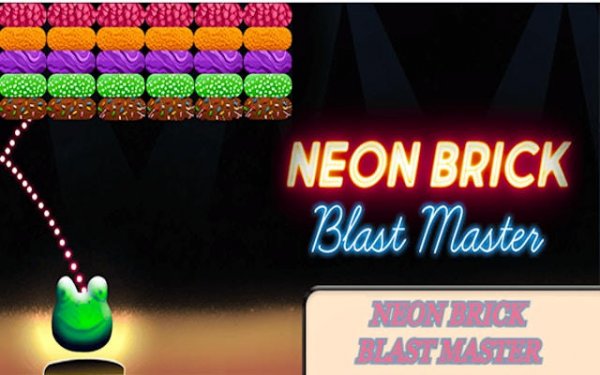
Luminous Paddle Smash places a paddle at the bottom of the screen. A sphere bounces upward along a physics-based path, and every tile it contacts is removed. The objective is to clear all tiles from the current layout without letting the sphere fall past the paddle. This simple exchange creates a rhythm of anticipation and reaction: players read the sphere's angle, move the paddle, and watch the next collision unfold. Each level takes roughly one to three minutes, and there is no time limit, so sessions can stay short or run longer without pressure.
Power-Ups and Mid-Level Choices
Breaking certain tiles releases special items. These include a wider paddle for a larger catch area, multiple spheres to clear tiles faster, and a slower sphere speed for easier control. Each power-up lasts a limited time. The decision is not just whether to collect one, but when, because a wider paddle may matter more when the sphere is moving quickly, while multiple spheres can accelerate a dense layout. This timing layer sits on top of the basic deflection mechanic.
Level Progression and Difficulty Curve
Early stages use simple tile arrangements with few obstacles. Later levels introduce denser patterns, smaller paddle sizes, and faster sphere speeds. Some layouts include tiles that require multiple hits to break, adding a layer of strategy. The difficulty rises gradually, keeping the experience engaging without becoming frustrating too quickly. Because the sphere follows a physics-based path, no two attempts are exactly alike, which supports replay even after all available stages are finished.
Visual and Audio Feedback
Bright neon colors define the tiles and backgrounds, and the atmosphere changes as players progress. Each tile collision produces a distinct sound, reinforcing the action. The visual style draws from classic arcade aesthetics but updates them with modern lighting effects, making the screen feel alive during play. The result is a presentation that keeps the player's attention on the sphere and the remaining tiles.
Comments
0 comments