
What You Actually Do
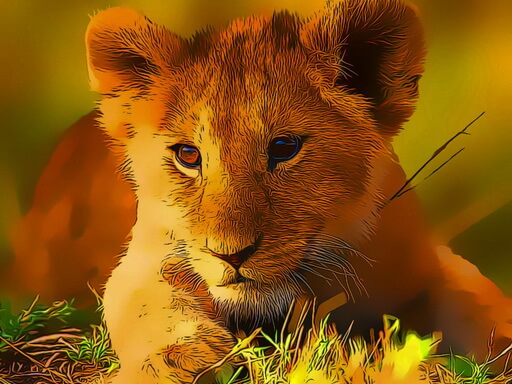
Baby Animal Jigsaw Puzzle asks one thing of you: move scattered pieces onto a board until a picture of a wild baby animal is whole. Six images are available, each showing a different young animal. You pick an image, then pick a mode. After that, pieces appear loose on the screen. Drag one, drop it near its correct spot, and it locks in. There is no timer and no penalty for a wrong placement, so the only pressure is the one you bring.
Three Modes, One Board
Difficulty is handled by piece count. The three modes differ in how many pieces each image is split into, which changes how long a single picture takes and how much visual scanning you do. Lower counts suit quick sessions or younger players; higher counts reward patience and pattern recognition. Because the same six images are reused across modes, a picture you know well can be replayed at a harder setting without losing the appeal of the artwork.
Controls and Device Fit
Input is drag-and-drop, and it works with either a mouse or a finger. On desktop, a mouse gives finer control over small pieces; on mobile, touch keeps the same gesture. Nothing needs installing, and there is no account step described — you open the browser and play. That makes it easy to start a puzzle on one device and treat it as a short break rather than a session you commit to.
Approach That Helps
Start with the easier mode to learn how the pieces behave and how snapping feels. Build the border first, since edge pieces have a flat side that identifies them immediately. Then sort remaining pieces by color or pattern before placing them. If progress stalls, stepping away and returning often makes the next match obvious. Because there is no clock, working slowly costs nothing but time.
Comments
0 comments