
What Children Actually Do
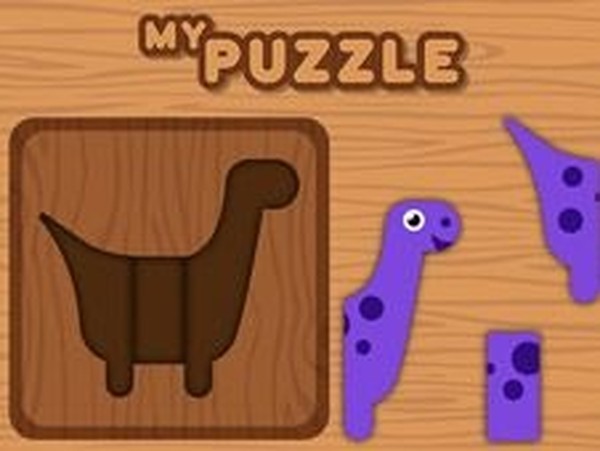
Each screen shows puzzle pieces on the right side and a wooden block area on the left. Every piece has a unique shape. The child drags a piece to the block area and places it where the shape fits. When all pieces are placed correctly, the puzzle is complete and the next one becomes available. The controls work with either a mouse or a finger, so the same game runs on mobile phones and tablets without changing how it plays.
How Difficulty Grows
Puzzles start with two or three pieces, then gradually add more. The increase is small enough that a child who finished the previous puzzle can usually manage the next one. Because there is no timer, a toddler can study a piece for as long as needed before dragging it. The game provides visual cues showing where each piece belongs, which reduces guesswork and frustration.
Theme Variety and Feedback
Puzzle sets cover balloons, flowers, dinosaurs, fruits, vegetables, cars, and toys. Switching themes keeps attention without changing the core mechanic. After a puzzle is finished, a cheerful animation or sound celebrates the achievement. This positive reinforcement is the main reward loop; there are no scores, penalties, or fail states.
Designed for Independent Play
The wooden block style gives the digital pieces a tactile look that mimics physical shape sorters. Parents can let children explore alone because the game contains no ads or inappropriate content. The forgiving drag controls are built for small fingers that may not move precisely. Kindergarteners and toddlers can replay completed puzzles as often as they like.
Comments
0 comments